The Clock Nobody Set: Auditing Enterprise Cryptography Before the Quantum Deadline
Photo: server room cryptographic keys digital lock abstract, via media.geeksforgeeks.org
The deadline without a date
Most technology deadlines arrive with a date circled on a calendar. The migration to post-quantum cryptography does not. There will be no single cutoff when RSA and elliptic-curve keys stop working; instead, there is a moving frontier shaped by standards bodies, regulators, and the patience of adversaries. What is fixed is the logic of "harvest now, decrypt later": encrypted traffic captured today can be stored and attacked once a cryptographically relevant quantum computer exists. For data with a long confidentiality shelf life — patient records, design files, legal settlements, government communications — the exposure clock started years ago.
The National Institute of Standards and Technology finalized its first post-quantum algorithms in 2024, and federal agencies have begun publishing migration targets. Those signals have pushed the topic into boardrooms, but they have not yet produced the unglamorous work that migration requires: finding every place cryptography lives. That work is an inventory problem before it is an engineering problem, and it is far larger than most organizations expect.
Why the security team cannot do this alone
It is tempting to assign post-quantum readiness to the chief information security officer and move on. That framing fails on contact with reality. Cryptography is not confined to the security stack. It sits in application code, database columns, code-signing pipelines, VPN concentrators, hardware security modules, badge readers, medical devices, industrial controllers, and the firmware of printers that have not been touched since the last office renovation. It is embedded in vendor products that never expose an algorithm choice to the customer.
Finding it requires application owners who know what their systems encrypt, procurement teams who hold the vendor relationships, facilities staff who manage operational technology, and legal counsel who understand which contracts can compel a supplier to disclose a cryptographic roadmap. The security team can run the discovery tooling. It cannot, on its own, force a business unit to retire a decade-old integration or persuade a device manufacturer to ship a firmware update.
Phase one: assemble a cryptographic bill of materials
The first practical step is a cryptographic bill of materials, or CBOM — a structured record of algorithms, key lengths, protocols, certificates, and libraries in use across the estate. A CBOM is to cryptography what a software bill of materials is to open-source components: an imperfect but indispensable map.
Discovery is best approached from several directions at once. Network scanning and certificate transparency logs reveal what is exposed at the perimeter. Static analysis of source code and container images catches libraries and hard-coded algorithm choices. Cloud configuration tools expose key-management settings and TLS policies. Vendor questionnaires fill the gaps where nothing can be scanned. None of these sources is complete; the inventory improves through reconciliation, not through a single tool purchase.
The output should be boring and usable: an owner for each entry, a location, an algorithm, a data classification, and a migration status. A spreadsheet that nobody maintains is worse than no inventory at all.
Phase two: find the devices that cannot be patched
The long tail of embedded and operational technology is where post-quantum programs stall. A database can be upgraded on a maintenance window. A controller on a factory floor may run firmware whose vendor has been acquired twice and no longer publishes release notes. A hospital's infusion pumps, a building's HVAC system, a utility's remote terminals — these devices often use cryptography for authentication or telemetry, and many cannot be updated without physical replacement.
The inventory must therefore include a "cannot patch" category, with a realistic assessment of operational life. A device with a fifteen-year service life and a five-year vendor roadmap is a strategic problem, not a procurement detail. Bringing facilities and operational-technology engineers into the program early is not optional; they are the only people who know what is actually installed.
Phase three: map vendor dependencies and contracts
Most enterprise cryptography is rented, not owned. It arrives inside a cloud service, a SaaS platform, a payment processor, or a managed network appliance. The organization may never see the algorithm, but it inherits the risk. Vendor roadmaps become a core deliverable of the inventory: ask each supplier when post-quantum support will be available, which products it covers, and whether the timeline is contractual or aspirational.
This is also where legal leverage matters. Contract renewal is the moment to insert language requiring disclosure of cryptographic dependencies and a committed migration schedule. Enterprises that wait for vendors to volunteer this information will wait a long time.
Phase four: prioritize by data shelf life, not by technology
Not every system needs the same urgency. A marketing website's TLS certificate is a different problem from a twenty-year archive of genomic data. The prioritization logic should be driven by how long information must remain confidential and how costly a compromise would be. Systems that handle long-lived secrets — health records, intellectual property, identity documents, legal correspondence — move to the front. Systems that encrypt only ephemeral session data can follow.
That sounds simple until the inventory reveals that a legacy reporting tool quietly copies regulated data into an unencrypted staging area. Discovery frequently finds these surprises. The inventory is valuable precisely because it surfaces them.
The organizational work is the hard part
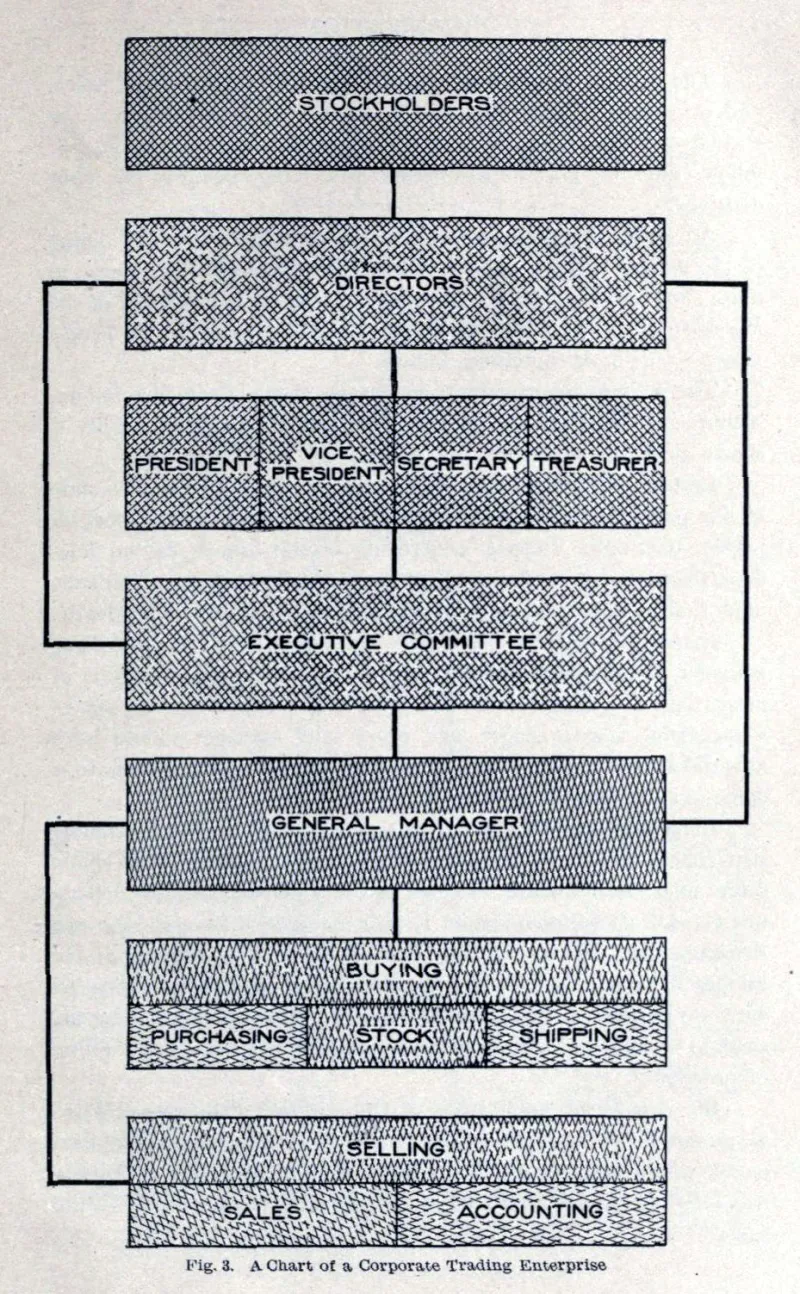
The technical migration to post-quantum algorithms is, in many cases, a matter of configuration and library updates. The organizational migration is harder. It requires a named executive owner, a budget line that survives the annual planning cycle, and a steering group with authority across applications, infrastructure, security, and procurement. It requires metrics that executives can track — percentage of estate inventoried, percentage of vendors with published roadmaps, number of systems with a funded migration plan — rather than a vague assurance that the security team is "monitoring the situation."
The Y2K comparison is inevitable and imperfect. Y2K had a fixed date and a clear, if overstated, mandate. Post-quantum migration has neither. The organizations that treat it as a multi-year enterprise program, rather than a security sprint, will be the ones that can demonstrate progress when regulators and customers begin asking. The rest will discover, late, that the clock was running all along.