VZDR Decoding the Tech Frontier

VZDR

Decoding the Tech Frontier

Latest Articles

When the Software Signs Off: Untangling Accountability in the Age of Autonomous Agents
AI & Machine Learning

When the Software Signs Off: Untangling Accountability in the Age of Autonomous Agents

Enterprises are handing real authority to AI agents — approving refunds, escalating incidents, greenlighting transactions — without updating who answers for the outcomes. This piece examines the accountability vacuum agentic workflows create and offers a framework executives can apply before granting an agent decision rights.


Telemetry Too Expensive: Five Warning Lights on Your Observability Dashboard — the Financial One
Enterprise Technology

Telemetry Too Expensive: Five Warning Lights on Your Observability Dashboard — the Financial One

Logs, traces, and metrics have a way of multiplying quietly until the monitoring stack rivals the infrastructure it watches. As platform teams face their first serious observability cost audits in 2025, here are five signals your telemetry spend has outgrown its purpose — and what to do about it.

The Pager Never Sleeps: What Middle-of-the-Night Alerts Are Quietly Draining From Your Engineering Bench
Enterprise Technology

The Pager Never Sleeps: What Middle-of-the-Night Alerts Are Quietly Draining From Your Engineering Bench

On-call duty is treated as a scheduling problem, but the data suggests it is an economics problem — one measured in attrition, alert fatigue, and the quiet departure of your most experienced engineers. Here is what the numbers reveal and how leading teams are redesigning the rotation.

In Praise of the Unfashionable: Why Boring Technology Keeps Winning
Enterprise Technology

In Praise of the Unfashionable: Why Boring Technology Keeps Winning

An opinionated defense of plain databases, boring monoliths, and technologies that will never trend on a conference stage. The teams shipping fastest in 2025 are often the ones spending the least time apologizing for their stack — and US engineering culture should take note.

Budget Season Lie Detector: How to Tell a Production AI Initiative From Expensive Theater
AI & Machine Learning

Budget Season Lie Detector: How to Tell a Production AI Initiative From Expensive Theater

As AI budgets swell across American enterprises, the line between genuine adoption and impressive-looking demos has never blurrier. This field guide offers ten diagnostic signs — each with a practical test — to run before the next funding cycle locks in another year of expensive theater.

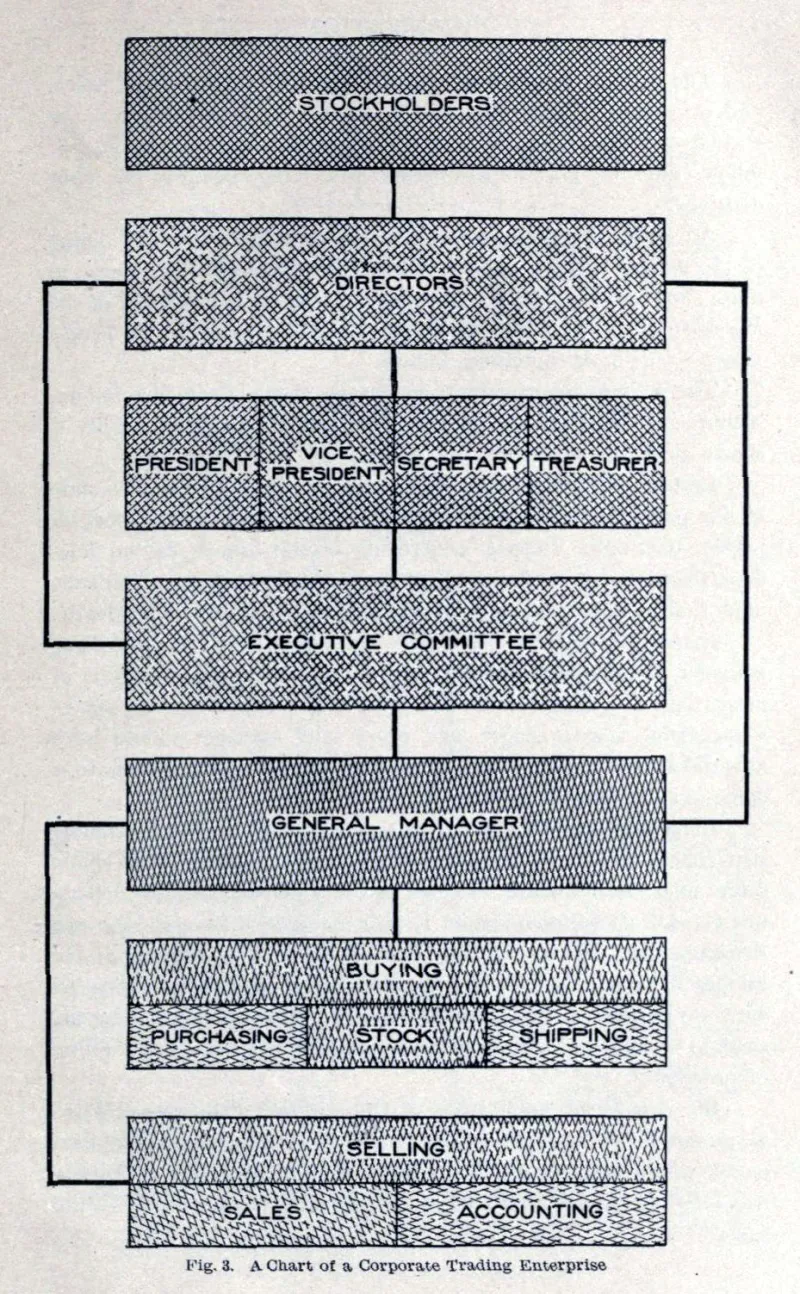
Reading the Org Chart Like an Architect: What Reporting Lines Reveal About Your Systems
Enterprise Technology

Reading the Org Chart Like an Architect: What Reporting Lines Reveal About Your Systems

Enterprise architectures rarely break by accident — they break along the seams of old reorganizations. This analysis examines how mergers, department splits, and power struggles leave permanent fingerprints on system design, and why architects should study HR records as diligently as source code.

Governance Without a Gavel: How Informal Tech Leaders Quietly Set Enterprise Strategy
Enterprise Technology

Governance Without a Gavel: How Informal Tech Leaders Quietly Set Enterprise Strategy

The most consequential stack decisions at many American companies are no longer made by CIOs or steering committees. They emerge from staff engineers, finance leads, and product managers whose influence never appears on an org chart — and governance structures haven't caught up.

Seven Telltales That Your Transformation Is Paint, Not Plumbing
AI & Machine Learning

Seven Telltales That Your Transformation Is Paint, Not Plumbing

Genuine modernization changes how work gets done; transformation theater changes what gets said about it. Seven diagnostic signs — each with concrete markers and audit questions — to determine whether your initiative is a rebuild or a rebrand.

The Invoice You Never Receive: Pricing the True Cost of Postponed Technology Decisions
Enterprise Technology

The Invoice You Never Receive: Pricing the True Cost of Postponed Technology Decisions

'Let's wait for the market to settle' sounds prudent, but deferral carries a compounding price tag that never appears on a budget line. Here is an honest accounting of what standing still actually costs — and a framework for knowing when waiting is the expensive choice.

The Last Person Who Knows: When Legacy System Expertise Becomes a Career Cage
Enterprise Technology

The Last Person Who Knows: When Legacy System Expertise Becomes a Career Cage

For thousands of engineers across American enterprises, deep knowledge of aging infrastructure has quietly transformed from a professional asset into a professional trap. The same expertise that makes them indispensable to their current employer is increasingly making them invisible to everyone else.

Spending in the Shadows: The Unauthorized Tech Budget Quietly Reshaping Enterprise Finance
Enterprise Technology

Spending in the Shadows: The Unauthorized Tech Budget Quietly Reshaping Enterprise Finance

Across American enterprises, a second technology budget has taken shape—one that finance departments never approved and IT leaders rarely see. Built from fragmented departmental purchases and expensed subscriptions, this shadow spending is quietly rewriting the rules of enterprise technology governance.

Fine Print and False Promises: A Field Guide to What Enterprise Contracts Actually Guarantee
AI & Machine Learning

Fine Print and False Promises: A Field Guide to What Enterprise Contracts Actually Guarantee

Enterprise software agreements are engineered to protect vendors, not customers—yet most procurement teams evaluate them through the lens of what salespeople say rather than what attorneys drafted. A closer reading of common contract structures reveals a systematic gap between the commitments vendors make verbally and the protections they extend in writing.

Contract Insurgency: How Procurement Teams Are Weaponizing Exit Clauses Against Vendor Lock-In
Enterprise Technology

Contract Insurgency: How Procurement Teams Are Weaponizing Exit Clauses Against Vendor Lock-In

A quiet but consequential shift is underway in enterprise procurement: legal teams and technology buyers are embedding performance-contingent exit provisions into vendor agreements before the ink is dry. This analysis examines the structural forces driving that change, how major vendors are responding, and which sectors are setting the pace.

Grading the Gatekeepers: How Enterprises Are Building Their Own Vendor Performance Frameworks
Enterprise Technology

Grading the Gatekeepers: How Enterprises Are Building Their Own Vendor Performance Frameworks

For years, enterprises have accepted vendor-supplied metrics as the authoritative measure of software value — a practice that has quietly served vendors far more than buyers. A growing cohort of organizations is now developing internal benchmarking systems to reclaim the narrative, reshape contract negotiations, and make technology investment decisions on their own terms.

Homeward Bound: The Quiet Enterprise Exodus From Cloud Infrastructure in 2025
Enterprise Technology

Homeward Bound: The Quiet Enterprise Exodus From Cloud Infrastructure in 2025

After years of aggressive cloud adoption, a growing number of enterprise organizations are pulling mission-critical workloads back to on-premise infrastructure — and the reasons run deeper than sticker shock. The economics, compliance pressures, and vendor relationship dynamics driving this reversal reveal uncomfortable truths about how cloud migration was sold to the enterprise.

Unauthorized Architecture: The Hidden Modernization Happening Below Your Organization's Radar
Enterprise Technology

Unauthorized Architecture: The Hidden Modernization Happening Below Your Organization's Radar

Across corporate America, senior engineers are quietly constructing parallel technical infrastructures that circumvent official IT governance—driven not by insubordination, but by the suffocating weight of institutional inertia. These underground modernization efforts represent both a damning indictment of how enterprises manage technology change and, paradoxically, some of the most consequential innovation happening inside large organizations today.

Paying for the Past: Why Enterprise Software Contracts Survive Long After the Software Is Gone
Enterprise Technology

Paying for the Past: Why Enterprise Software Contracts Survive Long After the Software Is Gone

Across the enterprise landscape, organizations are quietly writing checks for software platforms they no longer use — sometimes for years after a successful migration to a replacement system. Understanding why these contractual obligations persist reveals a deliberate architecture of vendor lock-in that most procurement teams never see coming.

Decisions Made in the Dark: When Product Strategy Outpaces Engineering Reality
Enterprise Technology

Decisions Made in the Dark: When Product Strategy Outpaces Engineering Reality

Across organizations of every size, product commitments are routinely made without meaningful input from the engineers responsible for delivering them. The result is a growing chasm between what leadership promises and what infrastructure can actually support — a structural problem that compounds quietly until it cannot be ignored.

Purchased Twice, Used Once: The Hidden Cost of Enterprise Software Duplication
Enterprise Technology

Purchased Twice, Used Once: The Hidden Cost of Enterprise Software Duplication

Across large organizations, redundant software licensing quietly drains budgets while IT leaders remain unaware of what their own company already owns. Fragmented procurement processes, siloed departmental spending, and opaque vendor portfolios have created a self-reinforcing cycle of expensive duplication. Understanding the mechanics behind this pattern is the first step toward dismantling it.

Rows Without End: The Hidden Architecture of Mission-Critical Spreadsheets
Enterprise Technology

Rows Without End: The Hidden Architecture of Mission-Critical Spreadsheets

Across American enterprises, spreadsheets built years ago by employees who have long since departed continue to govern pricing models, supply chains, and financial forecasts. The organizations that depend on them rarely acknowledge the risk openly — and the ones that have tried to replace them often wish they hadn't.